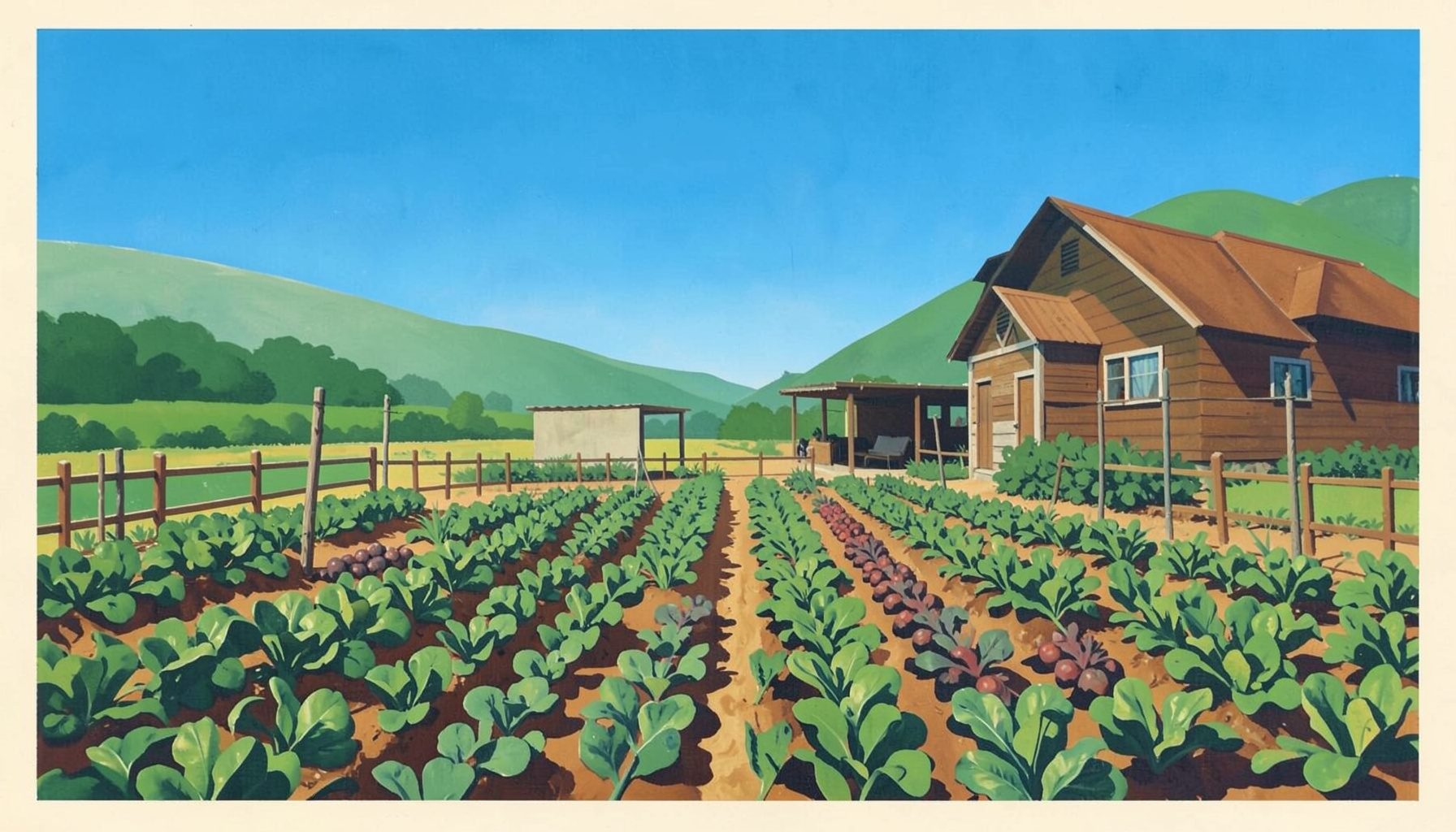
Great Homesteading Ideas
Practical knowledge for growing food, raising animals, and living more self-sufficiently.
Grow Your Own
Breed heirloom squash, graft fruit trees, and build affordable greenhouses.
Compost Smarter
Turn coffee grounds, newspaper, meat, and bones into rich garden compost.
Raise Chickens
Build simple chicken tractors for pastured eggs and meat with predator protection.
 Gardening
 Composting
 Poultry
 Water Wells
 Grafting
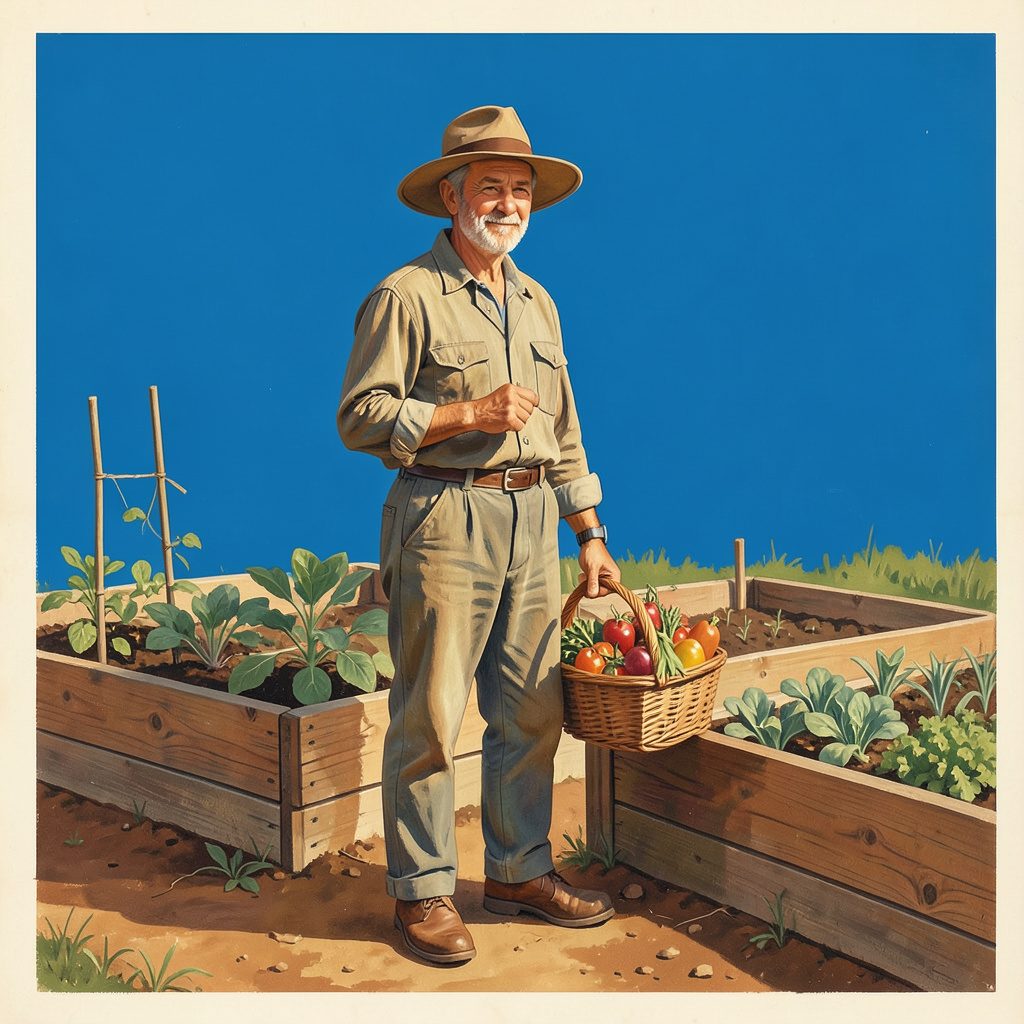
About The Brilliant Homestead
The Brilliant Homestead is a homesteading ideas blog dedicated to sharing practical, hands-on knowledge for gardeners, homesteaders, and anyone interested in sustainable living. The site covers a wide range of topics — from breeding your own heirloom squash varieties and grafting fruit trees to composting meat and bones, digging backyard wells, and raising chickens in simple tractors.
Articles published here draw on real-world experience and reference trusted resources such as Compost Everything: The Good Guide to Extreme Composting by David The Good, Breed Your Own Vegetable Varieties, and The Resilient Gardener. Whether you are looking to reduce waste through urban composting with coffee grounds and newspaper, establish a home orchard, or learn four different methods for digging a well, you will find detailed guidance grounded in practice.
The blog also reviews essential reading for homesteaders, including The Planet Whizbang Idea Book for Gardeners, and explores food preservation techniques such as making sugar cane syrup, pickled jalapeño slices, and traditional sauerkraut. Every article aims to equip readers with the confidence to try new skills and build greater self-sufficiency, one project at a time.
Homesteading begins with a willingness to learn and a desire for greater self-reliance. Whether you have a sprawling rural property or a modest suburban yard, the principles remain the same: observe the land, work with natural systems, and start small. Many successful homesteaders began with a single raised bed or a handful of laying hens before expanding their operations. The journey is cumulative, and each new skill builds on the last. From understanding soil composition to recognizing seasonal weather patterns, the foundational knowledge you acquire early on will serve you for years to come. Patience and consistency are your greatest allies.
Growing your own food is one of the most rewarding aspects of homesteading. A well-planned garden provides fresh vegetables, herbs, and fruits throughout the growing season while reducing dependence on grocery supply chains. Heirloom varieties offer exceptional flavor and the added benefit of seed saving for future plantings. Companion planting techniques help deter pests naturally, and succession sowing ensures continuous harvests. Even small spaces can yield impressive results when vertical growing methods and intensive spacing are employed. The connection between soil health and plant vitality cannot be overstated, making composting an essential companion practice to any garden.
Composting transforms everyday organic waste into nutrient-rich material that feeds your soil and reduces household trash. Kitchen scraps, coffee grounds, shredded newspaper, eggshells, and even certain meat and bone remnants can all be incorporated into a well-managed compost system. The key lies in balancing carbon-rich brown materials with nitrogen-rich green materials while maintaining adequate moisture and aeration. A properly maintained pile heats up internally as microorganisms break down the organic matter, killing weed seeds and pathogens in the process. The finished compost, dark and crumbly with an earthy smell, is one of the most valuable inputs a garden can receive.
Raising poultry offers a practical entry point into small-scale livestock management. Chickens provide fresh eggs, natural pest control, and valuable manure for the garden, all while requiring relatively modest space and infrastructure. A simple chicken tractor, which is a movable coop without a floor, allows birds to graze fresh pasture while staying protected from aerial and ground predators. Rotating the tractor across your property distributes their scratching and fertilizing evenly, improving soil health over time. Different breeds suit different goals, whether you prioritize egg production, meat, or dual-purpose utility. Clean water, quality feed, and secure housing form the foundation of a healthy flock.
Water management is a critical but often overlooked component of homesteading. Reliable access to clean water supports gardens, livestock, and household needs alike. Rainwater harvesting systems capture precipitation from rooftops, reducing strain on wells or municipal supplies during dry periods. Simple drip irrigation setups deliver moisture directly to plant roots with minimal waste, while swales and berms can slow runoff and encourage groundwater recharge across the landscape. Understanding your property's natural water flow helps you position gardens, animal housing, and infrastructure in ways that work with rather than against the terrain.
Fruit tree grafting opens up possibilities that go far beyond what a standard nursery sapling can offer. By joining a scion from a desired variety onto a compatible rootstock, you can propagate trees with specific traits such as disease resistance, cold hardiness, or dwarfing growth habits. Grafting also allows you to grow multiple apple or pear varieties on a single tree, saving space and extending the harvest window. The technique requires sharp tools, proper timing during the dormant season, and careful alignment of the cambium layers, but the long-term rewards are substantial. A mature, well-grafted orchard can produce fruit for decades with proper care.
The homesteading lifestyle is ultimately about building resilience and deepening your connection to the natural world. Each skill you develop, whether it is seed starting, food preservation, or basic carpentry, reduces reliance on external systems and increases your household's self-sufficiency. Sharing knowledge with neighbors and fellow homesteaders strengthens community ties and preserves practical traditions that might otherwise be lost. The path is not always easy, and setbacks are part of the learning process, but the satisfaction of eating a meal grown entirely on your own land makes every challenge worthwhile.