Grafting for the Home Orchard
Grafting opens up possibilities that buying nursery trees alone cannot match. By joining a chosen variety (the scion) onto a hardy rootstock, you can tailor fruit trees to your soil, climate, and available space. The Brilliant Homestead has explored several approaches that work well for backyard growers.
Grafting Onto Wild Plum Rootstock
Wild plums often thrive where cultivated varieties struggle. Using them as rootstock gives your grafts a head start with a root system already adapted to local conditions. The technique follows standard cleft or whip-and-tongue methods, with the wild plum providing vigorous, disease-resistant roots.
Unique Methods for Grafting Pecans
Pecans are notoriously tricky to graft, but certain approaches improve success rates. Bark grafting and inlay grafting are two methods that have shown promise. Timing is critical — pecan bark must be slipping for the graft to take, which typically means waiting until late spring when sap is flowing freely.
How Many Apple Varieties on One Tree?
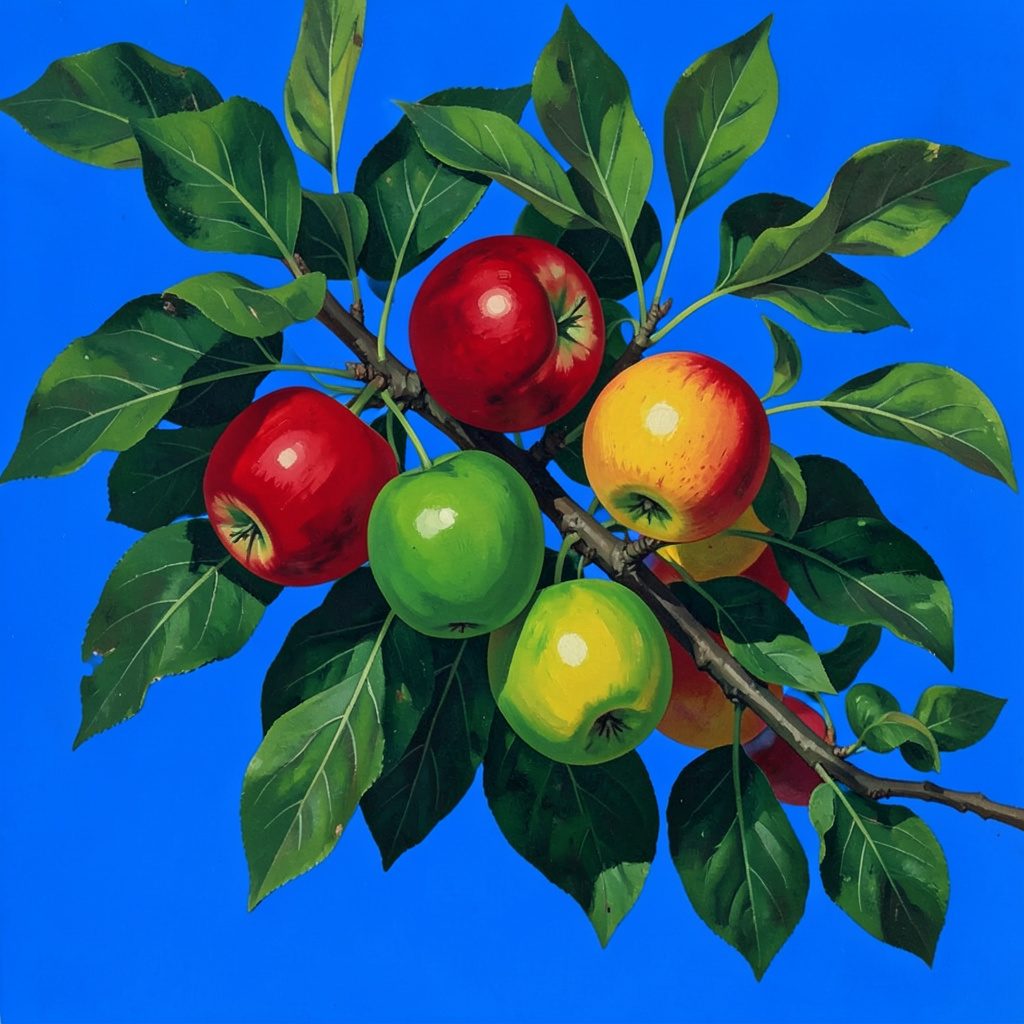
A single established apple tree can host multiple varieties through top-working. There is no hard limit, but practical considerations — branch structure, sunlight exposure, and the vigor of each graft — guide how many you can realistically maintain. Some home orchardists successfully grow four, five, or more distinct apples on one framework tree.
The Plugger Grafting Bit from Lee Valley
Specialized tools can simplify the grafting process. The Plugger Grafting Bit, available from Lee Valley, drills a precise tenon on the scion and a matching mortise in the rootstock. This creates a snug mechanical fit that holds the graft securely while the cambium layers knit together, reducing the learning curve for beginners.